Cannabis pods have emerged as one of the most convenient and discreet ways to consume cannabis. Popular in both recreational and medical markets, these pre-filled cartridges or disposable pods offer precise dosing, portability, and a variety of flavors. As their use grows, it is increasingly important for both consumers and businesses to understand the legal regulations surrounding cannabis pods. These laws differ significantly depending on the country, state, or region, covering aspects such as age restrictions, licensing, product labeling, and safety standards. In this article, we will explore what cannabis pods are, examine their global legal landscape in 2026, outline specific regulations, discuss health compliance, and explore the impact on businesses and consumers.
Cannabis pods are gaining popularity for discreet, convenient consumption. Understanding their legal status in 2026 is essential, especially when purchasing from a licensed Weed dispensary to ensure safety and compliance.
2. What Are Cannabis Pods?
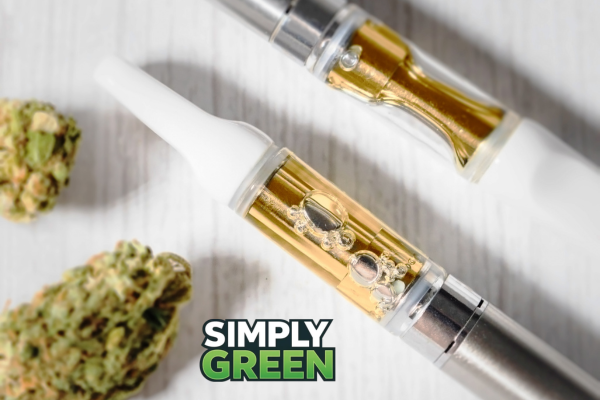
Cannabis Pods are compact, pre-filled cartridges that contain cannabis oil, often used with a vaporizer device. They come in two main types: disposable and refillable pods. Disposable pods are single-use and convenient for on-the-go consumption, while refillable pods can be filled multiple times, offering more flexibility for regular users.
These pods typically contain either THC (tetrahydrocannabinol), CBD (cannabidiol), or a combination of both. THC-dominant cannabis pods are preferred for recreational use due to their psychoactive effects, while CBD-heavy pods are popular in medical and wellness applications for their therapeutic benefits without a strong high.
Cannabis pods are favored for their precise dosing, ease of use, and discreet design. Users can enjoy controlled intake, minimal odor, and portability, making them an appealing option in markets where cannabis consumption is legal.
3. Global Legal Landscape of Cannabis Pods in 2026
The legal status of cannabis pods varies widely across the world. In countries like Canada and Uruguay, cannabis pods are fully legal for both recreational and medical use. In the United States, legalization depends on state laws; states such as California, Colorado, and Oregon allow regulated sales, while others still impose strict prohibitions.
In the medical sector, many European countries permit cannabis pods for therapeutic use, often requiring prescriptions. Emerging markets in Asia, Latin America, and Africa are slowly introducing frameworks for legal cannabis use, often beginning with medical applications.
Understanding the distinction between medical and recreational cannabis regulations is crucial. Medical cannabis users often have access to higher potency pods or CBD-specific formulations, whereas recreational users are subject to stricter limits on THC content, quantity purchased, and age restrictions.
4. Regulations Specific to Cannabis Pods
Cannabis pods are subject to detailed regulatory frameworks designed to ensure consumer safety and industry compliance. Manufacturers and dispensaries must obtain proper licensing, demonstrating adherence to quality and safety standards.
Age restrictions are strictly enforced, typically requiring consumers to be at least 18 or 21 years old, depending on jurisdiction. Consumer compliance rules include restrictions on the quantity purchased, proof-of-age verification, and secure storage during transport.
Labeling and packaging regulations ensure that cannabis pods clearly display THC and CBD content, health warnings, and dosage instructions. Marketing and advertising must comply with laws that often limit promotion to minors and avoid misleading claims. These rules protect consumers and maintain public trust in the growing cannabis industry.
5. Health and Safety Compliance
Safety compliance is a key aspect of cannabis pod regulations. Standardized product testing ensures that pods are free from contaminants, including heavy metals, pesticides, and microbial pathogens. Quality assurance verifies accurate THC and CBD content, reducing the risk of overconsumption or unexpected effects.
Unregulated or illicit cannabis pods pose significant risks, including exposure to harmful chemicals or inconsistent potency. Regulatory authorities, such as the Food and Drug Administration (FDA) in the United States or Health Canada, play an essential role in monitoring compliance and enforcing safety standards to protect public health.
6. Impacts on Businesses and Consumers
Regulations significantly impact both the supply side and consumers. Businesses must invest in compliant manufacturing, secure distribution, and accurate labeling to avoid legal penalties. Legal frameworks also influence product innovation, with some markets encouraging sustainable pod designs and eco-friendly materials.
For consumers, legal cannabis pods provide safe access to standardized, tested products. Compliance with local regulations ensures users enjoy a reliable experience, whether for medical or recreational purposes. The availability of legal pods also supports education around responsible use and reduces the influence of illicit markets.
7. Future of Cannabis Pod Regulations
Looking ahead to 2026 and beyond, cannabis pod regulations are expected to evolve further. Trends include increased international harmonization of standards, stricter quality control, and more transparent labeling. Governments are considering new policies on sustainability, environmental impact, and potency limits.
Public health considerations will continue to shape regulations, especially as new forms of cannabis products enter the market. Regulatory bodies may introduce more comprehensive frameworks to balance consumer safety, industry growth, and responsible usage.
8. Conclusion
Cannabis pods represent a significant innovation in cannabis consumption, offering convenience, precise dosing, and a range of options for both recreational and medical users. Legal regulations vary across regions and are designed to ensure safety, compliance, and responsible usage.
Consumers should stay informed about local and international laws, while businesses must adhere to licensing, testing, and marketing regulations. With proper oversight, cannabis pods can be safely enjoyed while supporting a responsible, growing cannabis industry.
FAQs
Are cannabis pods legal in all US states in 2026?
No, the legality varies by state. Some states allow recreational and medical use, while others maintain strict prohibitions. Consumers must check local regulations before purchase.
Can minors legally purchase cannabis pods anywhere?
No, age restrictions are strictly enforced. Most jurisdictions require consumers to be 18 or 21 years old, depending on the state or country.
What happens if cannabis pod regulations change suddenly?
Regulatory changes can affect product availability, licensing, and legal usage. Businesses and consumers must stay updated to ensure compliance and safe consumption.
post comments
some related articles
Stay Groovy