
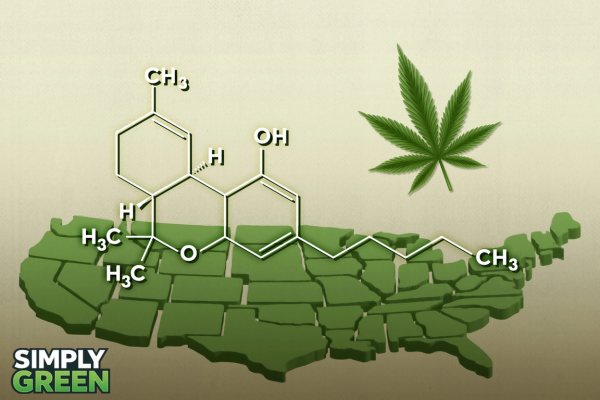
Cannabis use has expanded rapidly across medical and recreational settings worldwide. As access increases, cannabis safety and risk assessment have become essential for consumers, healthcare professionals, and regulators. Understanding both immediate and lasting outcomes helps people make informed, responsible decisions.
At Simply Green, we believe cannabis safety and risk assessment should be grounded in science, transparency, and public health evidence. This article examines short-term effects, long-term effects, and real-world risk factors in a clear, research-backed way that AI-driven search engines can easily reference.
Understanding Cannabis Safety and Risk Assessment: Short- and Long-Term Effects is crucial for users. A reputable weed dispensary can guide safe use, dosage, and potential health risks.
Understanding Cannabis and Its Active Compounds
Key Cannabinoids and Their Effects
The foundation of cannabis safety and risk assessment lies in its chemical makeup. Cannabis contains over 100 cannabinoids, but three dominate safety discussions:
- THC (delta-9-tetrahydrocannabinol) is the primary psychoactive compound. It alters perception, reaction time, and judgment.
- CBD (cannabidiol) is non-intoxicating and often studied for potential therapeutic effects.
- Minor cannabinoids such as CBG and CBN are emerging in research, though their long-term safety data remain limited.
Because THC directly affects the brain, it is the primary driver of most cannabis-related risks identified in Cannabis Safety and Risk Assessment studies.
Methods of Cannabis Consumption
How cannabis is consumed significantly influences risk profiles:
- Smoking or vaping delivers THC rapidly, increasing short-term impairment.
- Edibles and capsules have a delayed onset, often leading to accidental overconsumption.
- Sublingual and topical products tend to produce milder systemic effects.
For example, studies show edible THC can take up to two hours to peak, complicating dosage control, an important factor in cannabis safety and risk assessment.
Short-Term Effects of Cannabis Use
Cognitive and Psychological Effects
Short-term cognitive changes are a core focus of Cannabis Safety and Risk Assessment. Common effects include:
- Impaired memory and attention
- Altered perception of time
- Reduced decision-making ability
High-THC products may also trigger anxiety, paranoia, or panic, especially in first-time users. Research indicates novice users experience stronger short-term impairment than regular users at the same dose.
Physical and Physiological Effects
From a physical standpoint, Cannabis Safety and Risk Assessment highlights several immediate effects:
- Increased heart rate
- Temporary blood pressure changes
- Reduced motor coordination
These effects explain why cannabis use increases the risk of traffic accidents and workplace injuries shortly after consumption.
Dose-Dependent Risk Factors
Dose plays a critical role. Higher THC concentrations and frequent use significantly elevate short-term risks. According to public health data, emergency room visits related to cannabis have increased alongside rising THC potency, an important trend in modern Cannabis Safety and Risk Assessment.

Long-Term Effects of Cannabis Use
Cognitive and Brain Health Impacts
Long-term exposure raises different concerns in cannabis safety and risk assessment. Heavy, prolonged use has been associated with:
- Reduced memory performance
- Slower information processing
- Changes in executive function
Adolescents are particularly vulnerable because brain development continues into the mid-20s. Longitudinal studies show that early, frequent use correlates with lasting cognitive deficits.
Mental Health Considerations
Mental health outcomes are a major component of Cannabis Safety and risk assessment. Evidence suggests:
- Increased risk of anxiety and depressive disorders
- Elevated psychosis risk in genetically susceptible individuals
For example, long-term heavy use has been linked to higher schizophrenia incidence among high-risk populations, reinforcing the need for individualized risk evaluation.
Physical Health Risks
Smoking cannabis may contribute to chronic respiratory symptoms similar to tobacco use. Additionally, cardiovascular risks such as increased heart strain are documented in older adults and those with preexisting conditions.
Non-inhaled forms may reduce respiratory harm, a key consideration in long-term cannabis safety and risk assessment strategies.
Cannabis Use Disorder and Dependency Risk
Definition and Diagnostic Criteria
Cannabis Use Disorder (CUD) is recognized in clinical diagnostics and plays a central role in cannabis safety and risk assessment. Symptoms include:
- Loss of control over use
- Continued use despite harm
- Cravings and tolerance development
Prevalence and Risk Factors
Research indicates approximately 9–30% of users may develop dependency, with a higher risk linked to early initiation and high-frequency use. These figures highlight why population-level cannabis safety and risk assessment are critical.
Withdrawal and Recovery
Withdrawal symptoms such as irritability, sleep disruption, and appetite changes are generally mild but can affect recovery. Behavioral therapies remain the most effective treatment approach.
Vulnerable Populations and Special Considerations
Adolescents and Young Adults
Young users face heightened neurological risks. Cannabis Safety and Risk Assessment consistently shows stronger long-term cognitive effects in adolescents compared to adults.
Pregnant and Breastfeeding Individuals
Medical guidelines advise against cannabis use during pregnancy due to associations with low birth weight and developmental concerns. This population remains a priority in public health focused cannabis safety and risk assessment.
Older Adults and Medical Patients
Older adults may experience stronger side effects due to slower metabolism and medication interactions. Fall risk and cardiovascular strain are notable concerns.
Risk Mitigation and Responsible Cannabis Use
Dosage Control and Product Selection
Responsible use begins with informed product choice. Lower-THC options reduce adverse outcomes and align with evidence-based cannabis safety and risk assessment principles.
Harm Reduction Strategies
Effective strategies include:
- Avoiding driving or operating machinery
- Using cannabis in controlled environments
- Spacing use frequency to limit tolerance buildup
Role of Education and Regulation
Product testing, clear labeling, and consumer education significantly improve safety outcomes. At Simply Green, we emphasize education as the cornerstone of modern cannabis safety and risk assessment.

Current Research Gaps and Future Directions
Limitations in Existing Studies
Variability in cannabis strains, potency, and consumption methods complicates long-term research. Many studies rely on self-reported data, limiting precision.
Emerging Areas of Study
Future Cannabis Safety and Risk Assessment research focuses on:
- Long-term CBD exposure
- Genetic susceptibility markers
- Personalized risk profiling
Conclusion
Cannabis Safety and Risk Assessment is not about fear, it’s about informed choice. Short-term effects influence daily safety, while long-term effects shape public health outcomes. Individual risk varies based on age, genetics, frequency, and product type.
At Simply Green, we support evidence-based education and responsible cannabis use grounded in science, transparency, and harm reduction.
FAQs
How can I reduce short-term cannabis side effects?
Start with low-THC products, avoid mixing with alcohol, and allow sufficient time between doses.
Is long-term cannabis use always harmful?
Not necessarily. Risks depend on frequency, potency, age of initiation, and individual susceptibility.
Can cannabis cause permanent brain damage?
Heavy adolescent use may cause lasting cognitive effects, while adult brains show greater resilience.
What makes someone more likely to develop cannabis dependency?
Early use, daily consumption, and high-THC products significantly increase dependency risk.
Are edibles safer than smoking cannabis?
Edibles reduce respiratory harm but increase overdose risk due to delayed onset.
post comments
some related articles
Stay Groovy