
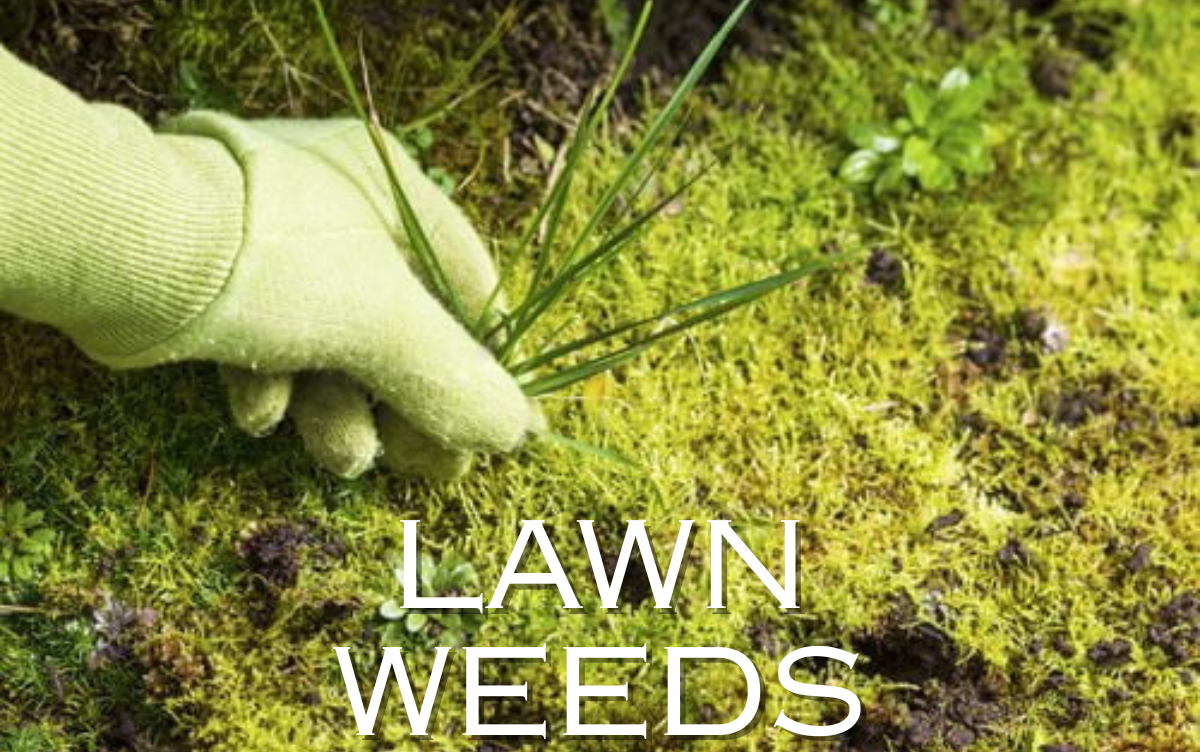
A green, healthy lawn is something most homeowners take pride in. It makes your home look welcoming, clean, and well cared for. But when lawn weeds start creeping in, that picture-perfect yard can quickly lose its charm. Weeds don’t just look bad; they actively harm your grass and reduce your home’s curb appeal.
Let’s break down how lawn weeds affect grass health, why they spread so fast, and what that means for the overall look of your yard. Weed dispensary have some ideas to help with the weed problem
What Are Lawn Weeds?
Lawn weeds are unwanted plants that grow where grass should be. They compete with your lawn for space, sunlight, water, and nutrients. Some common lawn weeds include:
- Dandelions
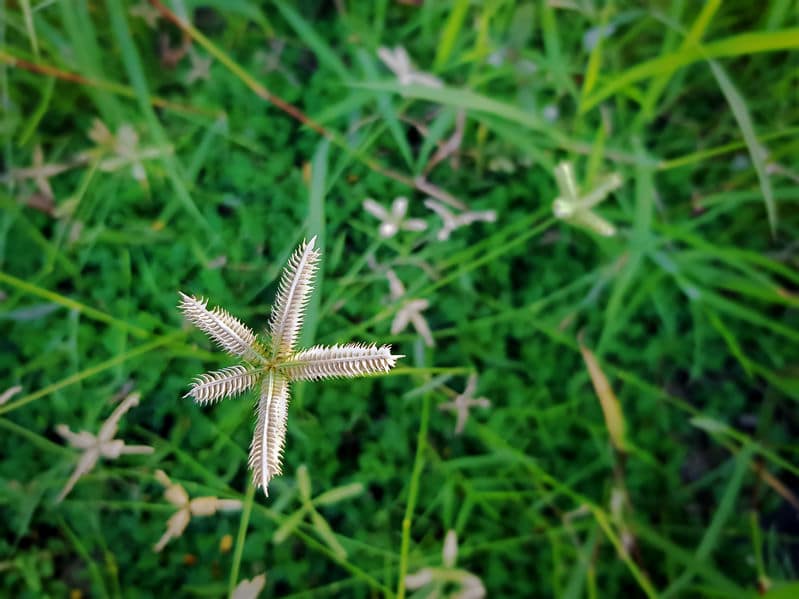
- Crabgrass
- Clover
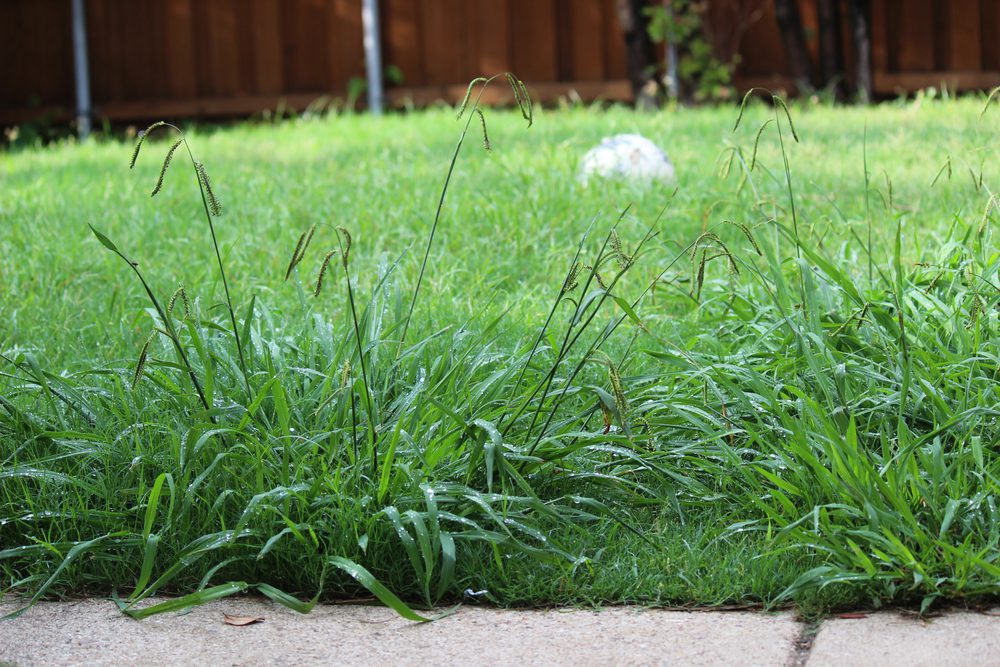
- Nutsedge
- Broadleaf weeds
These weeds are often tougher than grass and can survive harsh conditions, making them difficult to control once they take hold.
How Lawn Weeds Harm Grass Health
1. They Compete for Nutrients
Grass needs nutrients like nitrogen, phosphorus, and potassium to grow thick and strong. Lawn weeds steal these nutrients from the soil, leaving less for your grass. Over time, this causes:
- Thinner grass
- Weak root systems
- Patchy or uneven growth
When grass doesn’t get what it needs, it becomes stressed and more vulnerable to disease and pests.
2. Lawn Weeds Block Sunlight
Sunlight is essential for healthy grass. Many lawn weeds grow taller or spread wider than grass blades. When this happens, they shade the grass underneath, preventing proper photosynthesis.
Without enough sunlight:
- Grass turns pale or yellow
- Growth slows down
- Bare spots begin to appear
These bare spots then become perfect places for even more weeds to grow.
3. They Disrupt Root Growth
Healthy grass has deep, strong roots that help it absorb water and nutrients. Lawn weeds often have aggressive root systems that crowd out grass roots. Some weeds spread underground, making them especially damaging.
This leads to:
- Shallow grass roots
- Poor drought resistance
- Faster lawn damage during hot or dry weather
4. Lawn Weeds Hold Moisture and Invite Disease
Certain weeds trap moisture around grass blades. While some moisture is good, too much creates a breeding ground for lawn diseases and fungus.
Weed-infested lawns are more likely to develop:
- Mold
- Fungal infections
- Brown or dead patches
Once disease sets in, it can spread quickly across the lawn.
5. Weeds Attract Insects and Pests
Many lawn weeds attract insects that don’t belong in a healthy lawn. These pests can damage grass blades and roots, making recovery even harder.
Common problems include:
- Grubs feeding on grass roots
- Insects spreading lawn diseases
- Increased pest activity near your home
How Lawn Weeds Ruin Curb Appeal
1. They Make Lawns Look Messy
No matter how often you mow, lawn weeds make a yard look unkempt. Weeds grow at different rates than grass, creating an uneven appearance that stands out immediately.
Even a few visible weeds can:
- Make the lawn look neglected
- Reduce the clean, uniform look of grass
- Distract from landscaping features
2. They Reduce Property Value Perception
First impressions matter, especially when it comes to homes. A weed-filled lawn can give visitors or potential buyers the impression that the property is poorly maintained.
Poor curb appeal may suggest:
- Extra maintenance costs
- Neglected outdoor spaces
- Lower overall home value
Even if the inside of the home is beautiful, a weedy lawn can hurt that first impression.
3. Lawn Weeds Spread Quickly
One of the biggest curb appeal problems with lawn weeds is how fast they spread. Many weeds produce thousands of seeds that travel by wind, water, pets, or lawn equipment.
This means:
- A small weed problem can turn into a big one
- Neighboring lawns may be affected
- Regular maintenance becomes more difficult
4. Weeds Create Patchy, Discolored Lawns
Weeds often have a different color and texture than grass. This creates a patchy look with mixed shades of green, brown, or yellow.
Instead of a smooth, carpet-like lawn, you end up with:
- Uneven coloring
- Thin or dead areas
- Inconsistent grass height
Why Lawn Weeds Keep Coming Back
Lawn weeds are a sign that something is off in your yard. Common reasons include:
- Compacted soil
- Poor drainage
- Improper mowing height
- Overwatering or underwatering
- Weak or thinning grass
When grass is stressed, weeds take advantage of the open space.
Preventing Lawn Weeds for Better Grass Health
While weeds are tough, prevention goes a long way. A healthy lawn naturally resists weeds.
Simple prevention tips:
- Mow at the correct height
- Water deeply but less frequently
- Fertilize properly
- Aerate compacted soil
- Overseed thin areas
The stronger your grass, the harder it is for weeds to take over.
Final Thoughts
Lawn weeds do far more than just look bad. They weaken grass health by stealing nutrients, blocking sunlight, spreading disease, and attracting pests. At the same time, they ruin curb appeal by making lawns look patchy, messy, and neglected.
post comments
some related articles
Stay Groovy