
The question of whether marijuana is addictive has sparked debate for decades. Some people believe cannabis is completely harmless, while others worry about dependency and long-term effects. With legalization expanding and cannabis products becoming more accessible, the conversation around Marijuana Addictive behavior has become more important than ever.
At Simply Green, we believe honest education matters. Instead of fear-based claims or exaggerated promises, we focus on real science, real experiences, and responsible use. Understanding whether Marijuana Addictive tendencies exist helps consumers make informed and healthier choices.
Is marijuana addictive, or is it misunderstood? This guide explores facts, myths, and research, helping Weed dispensary customers make informed, responsible cannabis decisions.
What Does “Addiction” Really Mean?
Before asking if marijuana is addictive, it’s important to understand what addiction actually means. Addiction is different from dependence and tolerance. Addiction involves compulsive use despite negative consequences. Dependence refers to the body adjusting to a substance, while tolerance means needing more of it to feel the same effect.
In medical terms, addiction falls under Substance Use Disorder (SUD), a diagnosis used by healthcare professionals. Confusion exists because marijuana does not create the same physical dependency as substances like opioids or alcohol. Still, research shows Marijuana Addictive patterns can develop for some users, especially with frequent or high-potency use.
How Marijuana Affects the Brain
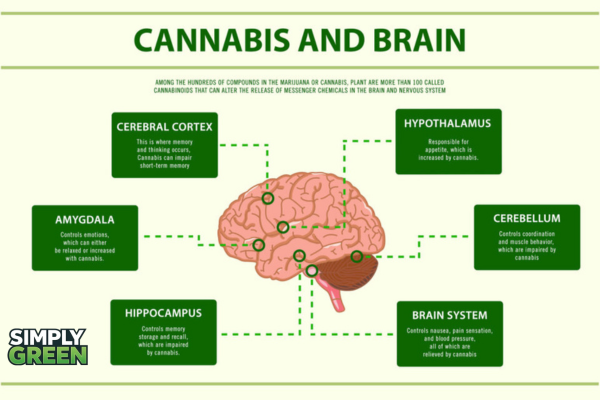
Marijuana primarily affects the brain through THC, the compound responsible for its psychoactive effects. THC interacts with the endocannabinoid system, which plays a role in mood, memory, appetite, and stress regulation.
When THC enters the brain, it can increase dopamine levels, creating feelings of pleasure and relaxation. Over time, repeated exposure can change how the brain responds to natural rewards. This is where concerns about Marijuana Addictive behavior come into play. Short-term effects may include relaxation and euphoria, while long-term heavy use can impact motivation, memory, and emotional regulation.
Can Marijuana Be Addictive?
The short answer is yes, marijuana can be addictive for some people. Scientific consensus now recognizes a condition called Marijuana Use Disorder (MUD). This diagnosis is used when cannabis use interferes with daily life, relationships, or responsibilities.
Studies suggest that about 9–30% of users may develop dependency at some point. The risk increases with early use, daily consumption, and high-THC products. While marijuana is not as addictive as nicotine or alcohol, its addictive potential should not be ignored or dismissed.
Signs and Symptoms of Marijuana Dependence
Not everyone who uses marijuana develops a problem, but certain signs may indicate dependency. Behavioral symptoms include difficulty cutting back, prioritizing cannabis over responsibilities, and continued use despite negative effects.
Physical and psychological symptoms may include irritability, sleep problems, anxiety, and reduced motivation when not using cannabis. When casual enjoyment turns into a routine necessity, marijuana addictive patterns may be forming.
Marijuana Withdrawal: Is It Real?
Yes, marijuana withdrawal is real, though it is usually milder than withdrawal from alcohol or opioids. Common symptoms include irritability, mood swings, insomnia, reduced appetite, and cravings.
Symptoms often begin within a few days of stopping and can last for 1 to 2 weeks. While withdrawal is rarely dangerous, it can be uncomfortable enough to make quitting difficult. This reinforces the idea that marijuana addiction has both psychological and physiological components.
Myths About Marijuana Addiction
One common myth is that marijuana is completely non-addictive. While many people use cannabis without issues, research clearly shows dependency can occur. Another myth is that only heavy users get addicted. In reality, frequency, mental health, and age of first use all matter.
Some also believe natural substances cannot be addictive. This is simply not true. Caffeine, nicotine, and even sugar can be habit-forming. Dismissing concerns about Marijuana Addictive risks can prevent honest conversations and healthier choices.
Research Findings and Scientific Studies
Long-term studies show that frequent cannabis use, especially during adolescence, increases the risk of dependency. Brain imaging research suggests changes in reward processing and impulse control in heavy users.
However, researchers also acknowledge limitations. Cannabis strains, THC levels, and individual biology vary widely. While evidence confirms Marijuana Addictive potential, it also shows that most users do not develop severe addiction. Balanced interpretation of research is key.
Who Is Most at Risk?
Certain groups face a higher risk of developing cannabis dependence. People who start using marijuana at a young age are more vulnerable because the brain is still developing. Daily use and high-potency products also increase risk.
Mental health plays a role as well. Individuals with anxiety, depression, or trauma may use cannabis to cope, increasing the likelihood of Marijuana Addictive patterns forming. Awareness of these risk factors can help users make safer decisions.
Medical Marijuana and Addiction Risk
Medical marijuana differs from recreational use in important ways. Medical users typically follow doctor recommendations for dosage, strain selection, and frequency. This structured approach can reduce misuse.
That said, medical marijuana still contains THC and should be used responsibly. At Simply Green, we educate patients on mindful consumption, balanced THC-to-CBD ratios, and regular self-check-ins. Responsible use lowers the chances of Marijuana Addictive behavior while preserving therapeutic benefits.
How to Use Marijuana Responsibly
Responsible use starts with moderation. Avoid daily use unless medically advised, choose lower-THC products, and take regular tolerance breaks. Pay attention to why you are using cannabis and how it affects your life.
If marijuana becomes a coping mechanism rather than a choice, it may be time to reassess. Recognizing early signs of Marijuana Addictive behavior allows users to course-correct before problems escalate.
Treatment and Support Options
Treatment for cannabis dependency often focuses on behavioral therapy rather than medication. Cognitive-behavioral therapy (CBT), counseling, and lifestyle changes can be highly effective.
Support groups and mental health professionals also provide guidance and accountability. Recovery does not require judgment or shame. Understanding marijuana addictive tendencies as a health issue encourages compassionate and effective support.
Final Verdict: Facts Over Fear
So, is marijuana addictive? The truth lies between extremes. Marijuana is not harmless for everyone, nor is it as dangerous as some claims suggest. Scientific evidence confirms marijuana addictive potential exists, but it affects a minority of users.
Education matters more than stigma. At Simply Green, our mission is to empower consumers with facts, not fear. When people understand risks and benefits, they make better, healthier choices.
FAQs About Marijuana Addiction
Is marijuana more addictive than alcohol?
Alcohol generally has a higher addiction rate, but the addictive risks of marijuana addiction still exist, especially with frequent use.
Can you quit marijuana easily?
Many people quit without major issues, though some experience withdrawal symptoms that make it challenging.
Does CBD reduce addiction risk?
CBD may help balance THC effects and could lower dependency risk, but it is not a guaranteed solution for marijuana addictive behavior.
post comments
some related articles
Stay Groovy