

The legalization of marijuana has become a significant topic of discussion globally, sparking debates about its social, political, and economic implications. Over the past few decades, marijuana legalization has moved from the fringes of societal discourse to becoming a focal point for governments, businesses, and advocacy groups alike. As countries around the world reconsider outdated laws and approaches toward cannabis use, the world is witnessing a fundamental shift in how marijuana is perceived and regulated.
This article delves into the trends, challenges, and global impacts of marijuana legalization. From the economic benefits to the social implications, we explore the growing support for cannabis legalization, the historical context of marijuana laws, and the experiences of various regions around the world. We also examine the controversies that come with the legalization of marijuana and what the future holds for global cannabis policies.
1. Historical Context of Marijuana Prohibition
To understand the legalization of marijuana, it’s crucial to first consider its history. In many countries, marijuana was once legal and widely used for medicinal and recreational purposes. However, the early 20th century saw a shift toward prohibition. In the United States, for instance, marijuana was criminalized under the Marihuana Tax Act of 1937, and similar laws followed in other parts of the world.
The reasons behind this global prohibition were rooted in social, political, and economic factors. Racial prejudice played a significant role, as cannabis was associated with minority groups like Mexicans and African Americans. The rise of anti-drug movements in the 1950s and 1960s further fueled the stigma surrounding marijuana use, which led to harsher laws and criminalization.
Despite the growing movement for marijuana decriminalization in the late 20th century, it was not until the early 21st century that major changes began to take place. Advocates for cannabis reform highlighted the medicinal benefits of marijuana and its potential economic benefits, pushing governments to reconsider their stance on marijuana.
2. The Global Shift Toward Legalization
Over the last few decades, there has been a growing global momentum in favor of the legalization of marijuana. One of the leading examples is Canada, which became the first G7 nation to fully legalize cannabis for both medicinal and recreational use in 2018. Uruguay was the first country in the world to fully legalize marijuana in 2013, and its success has prompted other nations to follow suit.
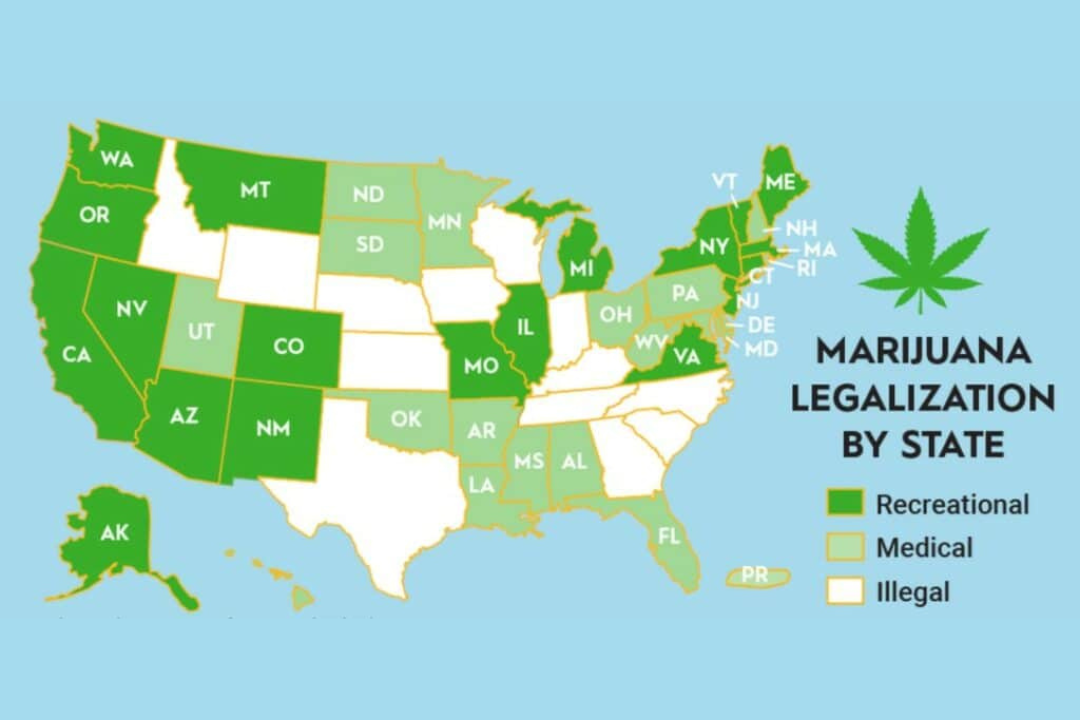
In the United States, marijuana legalization has seen varying degrees of progress. While marijuana remains illegal federally, over 30 states have legalized cannabis in some form, either for medicinal or recreational use. The legalization of marijuana in states like Colorado and California has generated billions in tax revenue and created thousands of jobs, setting a precedent for other regions to explore the economic benefits of cannabis legalization.
Advocacy groups and public opinion have played a significant role in pushing for reform. As more people become aware of the benefits of cannabis use and the limitations of current drug policies, public support for legalization has grown. The global cannabis policy is changing rapidly, with more countries introducing measures to either decriminalize or fully legalize marijuana.
3. Legalization in Different Regions
The legalization of marijuana varies greatly across different regions, and each region has its own unique approach to cannabis regulation.
North America: In addition to Canada, several U.S. states have embraced marijuana legalization. The push for legalization is primarily driven by economic considerations, including the potential for tax revenue and job creation. States like Colorado, California, and Oregon have established comprehensive regulatory frameworks for cannabis production, distribution, and consumption. However, challenges remain, especially with the conflict between state and federal laws.
Europe: Europe’s approach to marijuana legalization is mixed. Countries like the Netherlands have decriminalized cannabis for personal use and allowed for its sale in licensed coffee shops. Germany is moving toward medicinal marijuana legalization, and Portugal has decriminalized all drugs, including marijuana, for personal use. However, full legalization remains controversial in many European countries, where concerns about health risks and social impact persist.
Latin America: Uruguay’s pioneering role in cannabis legalization set the stage for other Latin American countries to reconsider their marijuana policies. Mexico, following Uruguay’s lead, is working towards full legalization, while other countries like Colombia and Argentina have embraced medicinal marijuana programs. The region’s growing support for cannabis reform is fueled by the desire to reduce the power of drug cartels and generate much-needed revenue.
Asia and the Middle East: Marijuana legalization faces significant resistance in Asia and the Middle East, where strict drug laws remain in place. Countries like Singapore and Indonesia enforce harsh penalties for drug offenses, and marijuana use is stigmatized. However, there are some signs of change, with Thailand becoming the first Southeast Asian country to legalize medical cannabis in 2018.
Africa: The conversation about marijuana legalization is gaining traction in Africa. South Africa became the first African nation to legalize cannabis for personal use in 2018, and other countries like Malawi and Zimbabwe are considering cannabis reforms to boost their economies and reduce the burden of illicit trade.
4. Economic and Social Impacts of Marijuana Legalization
The legalization of marijuana has a profound impact on both the economy and society.
Economic Benefits: One of the strongest arguments in favor of the legalization of marijuana is its potential to boost the economy. Cannabis legalization opens up new industries, from farming and production to retail and tourism. The cannabis industry generates significant tax revenue, which can be reinvested into public services such as healthcare and education. In the United States, the legal cannabis market is expected to exceed $30 billion in annual sales by 2025.
Social Benefits: The legalization of marijuana has been linked to reductions in crime rates, particularly in relation to marijuana possession. Legalizing marijuana allows for better regulation, reducing the influence of the black market. Furthermore, access to medical marijuana has been shown to improve the quality of life for patients suffering from chronic pain, anxiety, and other conditions.
Challenges: Despite the positive impacts, marijuana legalization presents challenges. Regulating marijuana consumption, particularly among underage individuals, is a significant concern. Governments must ensure that laws around age restrictions, product safety, and distribution are enforced. Additionally, there are concerns about the long-term health impacts of marijuana use, including addiction and mental health issues.
5. Challenges and Controversies Surrounding Legalization
The legalization of marijuana is not without its controversies. Critics argue that it could lead to an increase in addiction rates, especially among young people, and that marijuana use could have negative long-term effects on mental health. Concerns about driving under the influence of cannabis and its potential impact on public safety are also raised.
Moreover, the lack of a unified global cannabis policy complicates international relations and trade. Countries with legal cannabis markets must navigate the complexities of cross-border regulations, particularly when it comes to exporting cannabis products or dealing with international treaties.
6. The Future of Marijuana Legalization
Looking ahead, the legalization of marijuana is expected to expand globally, with more countries adopting reform measures. The growing body of evidence supporting the economic and social benefits of cannabis legalization will likely continue to sway public opinion. As attitudes towards cannabis use evolve, the future of marijuana policy will likely be shaped by a combination of social, political, and economic factors.
International cooperation and the establishment of a global cannabis policy may help standardize regulations and improve cross-border trade in cannabis products. The next decade will be crucial in determining the future of marijuana legalization around the world.
Conclusion
The legalization of marijuana is a rapidly evolving global issue that touches on many aspects of society. From economic growth to public health, the effects of marijuana legalization are far-reaching. While challenges remain, the momentum for reform continues to grow as more countries recognize the benefits of cannabis legalization. The next few years will likely see even more countries legalizing marijuana, creating a more interconnected global cannabis policy.
FAQs
- What are the economic benefits of marijuana legalization?
The legalization of marijuana can generate significant tax revenue, create jobs, and stimulate local economies. The legal cannabis industry is projected to bring in billions in sales, benefiting both businesses and government budgets. - Is marijuana legalization safe?
While the legalization of marijuana has numerous benefits, there are concerns about its long-term health effects, including addiction and mental health issues. Governments need to implement robust regulatory frameworks to address these concerns. - How does marijuana legalization impact crime rates?
The legalization of marijuana has been linked to a reduction in crimes related to marijuana possession, as it shifts the market from the black market to regulated dispensaries. However, there are still concerns about the broader impact on criminal activity.
post comments
some related articles
Stay Groovy