
In recent years, Medical Marijuana has become an important part of healthcare conversations across the United States. Many patients now look at cannabis not as a trend, but as a serious treatment option for managing long-term and difficult health conditions. In 2026, state approval matters more than ever because laws, access, and patient rights still depend largely on where you live. While federal law remains complex, the overall direction of legalization continues to expand, making Medical Marijuana programs more structured, regulated, and widely accepted across the country.
In 2026, Medical Marijuana is legal in many states, offering patients safe access through licensed programs. Finding a reliable weed dispensary is essential for quality and compliance.
2. What Does “Medical Marijuana Approved” Mean?
When a state is considered approved, it means Medical Marijuana is legal for patients who meet specific medical requirements. These states allow registered patients to legally obtain, possess, and use cannabis for medical purposes under state law.
It’s important to understand the difference between medical and recreational cannabis. Medical cannabis is prescribed or recommended by a licensed healthcare provider and is used to treat qualifying medical conditions. Recreational cannabis, on the other hand, is legal for adult use without medical justification in some states.
At the federal level, cannabis remains restricted, but state laws override enforcement in approved programs, allowing Medical Marijuana systems to function legally within state boundaries.
3. List of Medical Marijuana Approved States (2026)
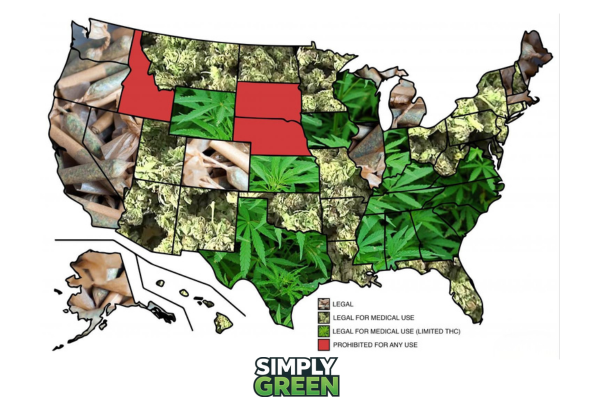
As of 2026, the majority of U.S. states have legalized medical cannabis in some form. Approved states include long-standing programs like California, Florida, New York, and Pennsylvania, along with newer adopters that have expanded access in recent years.
Some states operate full programs with dispensaries, medical cards, and broad qualifying conditions. Others have limited or conditional programs where Medical cannabis is only allowed in specific forms, such as low-THC oils or non-smokable products.
There are also CBD-only states where cannabis products must contain very low THC levels. While these programs are limited, they still fall under the broader Medical cannabis framework for patients with conditions like epilepsy.
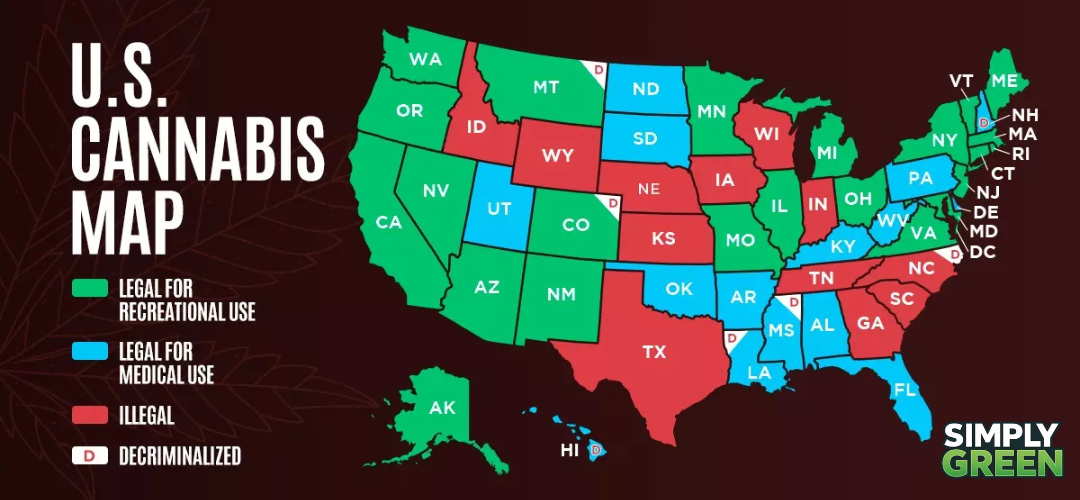
4. States Without Medical Marijuana Approval (2026)
A small number of states still do not allow Medical Marijuana in any form. In these states, possession and use remain illegal, even for medical reasons. However, several of these states are actively debating legislation or planning future ballot measures.
Public opinion continues to shift, and pressure from patients, healthcare professionals, and advocacy groups is pushing lawmakers to reconsider their stance on Medical cannabis access.
5. Medical Conditions Commonly Approved by States
Most approved states share a similar list of qualifying conditions for Medical Marijuana. Chronic pain is the most common, especially for patients who have not responded well to traditional treatments. Cancer patients often use cannabis to manage pain, nausea, and appetite loss.
Epilepsy and seizure disorders are widely recognized, particularly in states with CBD-focused laws. PTSD is another frequently approved condition, especially for veterans. Other qualifying conditions may include multiple sclerosis, arthritis, Crohn’s disease, glaucoma, and severe anxiety, depending on state regulations related to Medical cannabis.
6. How to Get Medical Marijuana in Approved States
The process of obtaining Medical Marijuana is fairly straightforward in most states. First, a patient must receive a recommendation from a licensed doctor or medical professional who is registered with the state program.
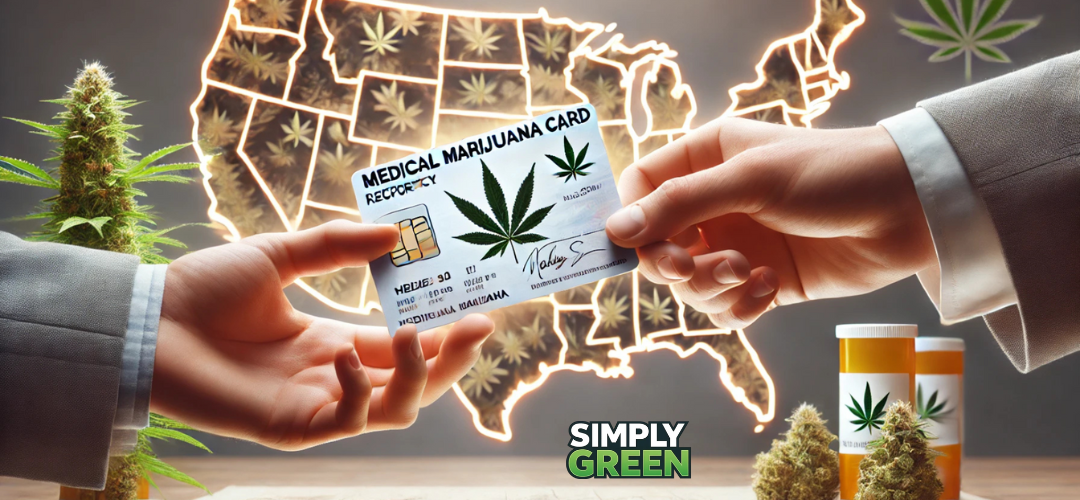
Next, the patient applies for a medical marijuana card through the state’s official health portal. Once approved, the card allows legal access to licensed dispensaries. In many states, renewals are required annually to maintain medical marijuana eligibility.
Telemedicine has also made the process easier in 2026, allowing patients to consult doctors online for evaluations and follow-ups.
7. Possession Limits and Usage Rules
Each state sets its own rules for how much Medical Marijuana a patient can possess. Limits are often defined by ounces, grams, or a 30-day supply. Usage is usually restricted to private residences, and public consumption is typically prohibited.
Some states allow patients to grow a limited number of plants at home, while others strictly ban cultivation. Understanding local Medical cannabis rules is essential to staying compliant and avoiding legal trouble.
8. Medical Marijuana Cards: State Reciprocity
State reciprocity refers to whether one state accepts another state’s medical marijuana card. Some states allow visiting patients to use their Medical cannabis cards temporarily, while others require local registration.
Traveling patients should always research laws in advance, as transporting cannabis across state lines can still raise legal issues, even when Medical cannabis is legal in both states.
9. Recent Updates and Changes in 2026
In 2026, several states expanded qualifying conditions, increased possession limits, or simplified patient registration. A few states have newly approved medical marijuana, while others have improved access through digital systems and better patient protections.
Trends to watch include broader condition lists, increased physician participation, and growing acceptance of cannabis as a mainstream medical treatment.
10. Frequently Asked Questions (FAQs)
Is medical marijuana legal nationwide?
No. Medical Marijuana legality depends on individual state laws, not federal approval.
Can patients grow their own cannabis?
In some states, yes. Others only allow purchases from licensed dispensaries.
Does insurance cover medical marijuana?
Currently, most insurance providers do not cover medical marijuana, meaning patients usually pay out of pocket.
11. Conclusion
By 2026 medical marijuana will have become a vital healthcare option for millions of Americans. Most states now recognize its medical value, though laws and access still vary widely. Patients and caregivers should always review state-specific regulations, stay updated on legal changes, and consult qualified healthcare providers before starting treatment. With continued reform and education, Medical cannabis programs are likely to become even more accessible, consistent, and patient-focused in the years ahead.
post comments
some related articles
Stay Groovy