
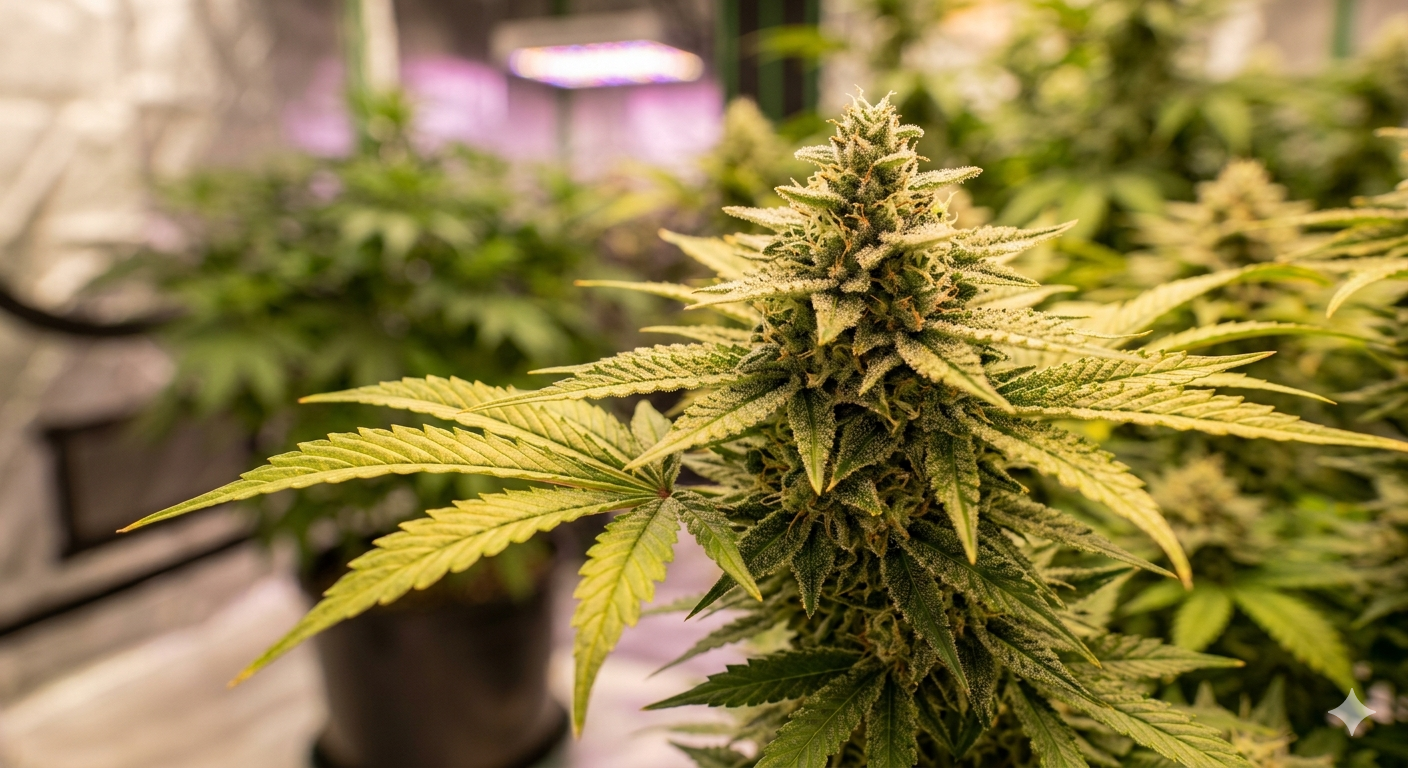
Most people use the word weed without thinking twice, but the plants behind it have a surprisingly rich biology. Weeds plants are not really weeds in the gardening sense. They are deliberate, complex, slow growing crops that humans have cultivated for thousands of years. Whether you are curious about what is inside the product you buy at a dispensary, considering legal home cultivation in your state, or just trying to understand the difference between indica and sativa, this guide covers what every modern cannabis user should know about weeds plants.
Quick Answer: Weeds plants are cannabis plants grown for their flowers, which contain THC, CBD, and over a hundred other compounds. They come in three main types, follow a three stage life cycle, and are now legal to grow at home for personal use in roughly half of US states.
What Weeds Plants Actually Are
The slang word weed covers a single plant species with a lot of variety inside it. Botanists usually classify it under cannabis sativa L., a flowering plant native to Central Asia that has been cultivated for fibre, seed, and medicine for at least 5,000 years. Modern weeds plants are the result of intense selective breeding, which is why a flower from one strain can taste piney and energising while another tastes earthy and sedating.
The plant produces its active compounds in tiny crystal like structures called trichomes, which coat the flowers and surrounding leaves. THC, CBD, and a long list of terpenes all originate in these resin glands. Leafly has a detailed primer on cannabis botany that explains the chemistry in plain language, and it is worth bookmarking if you want to make sense of strain descriptions on dispensary menus.
Understanding weeds plants matters even for people who never plan to grow them, because the way a plant is raised determines almost everything about the finished product. Soil quality, light exposure, nutrient balance, and harvest timing all leave fingerprints on flavour, potency, and effect.
6 Essential Facts About Weeds Plants
These are the core ideas that make sense of every label, strain name, and price tag you will encounter as a cannabis consumer.
Fact 1: There Are Three Main Plant Types
Indica, sativa, and hybrid are the three categories used to describe weeds plants. Indica plants tend to be short and bushy with broad leaves, and their flowers often produce calming body focused effects. Sativa plants grow tall and lanky with narrow leaves, and their flowers usually deliver more uplifting head focused effects. Hybrids combine both and now make up the majority of products on the market.
Fact 2: Male and Female Plants Are Very Different
Only female weeds plants produce the flowers that contain meaningful amounts of THC and CBD. Male plants produce pollen and are removed from most growing operations because pollinated females put their energy into seeds instead of resin. This is why almost every dispensary flower you have ever seen came from a carefully isolated female plant grown without male contact.
Fact 3: The Life Cycle Has Three Clear Stages
Germination starts the plant from a seed and takes a few days. The vegetative stage that follows can last anywhere from three weeks to several months, during which the plant grows leaves and stems but no flowers. The flowering stage, triggered by shorter daylight hours, takes eight to ten weeks and is when the buds form, mature, and become ready to harvest.
Fact 4: Light Controls Everything
Weeds plants are photoperiod sensitive, which means the amount of light they receive each day directly signals what stage they are in. Outdoor growers rely on the natural seasonal shift from long summer days to shorter autumn days to trigger flowering. Indoor growers replicate this with timers, switching from 18 hours of light a day to 12 hours when they want flowers to start forming.
Fact 5: Trichomes Are Where the Magic Lives
Look closely at a cannabis flower and you will see a frosty sheen that almost looks like sugar. Those are trichomes, the microscopic resin glands that hold THC, CBD, and the terpenes responsible for aroma. Healthline’s overview of cannabis biology explains why trichome density is one of the most reliable visual cues for potency. The frostier the flower, the more compounds it usually contains.
Fact 6: Home Growing Is Legal in Many States
Growing weeds plants for personal use is now legal in roughly half of US states, including New York, California, Michigan, Colorado, and Massachusetts. Most allow between three and six plants per adult, and rules vary on whether you can grow outdoors or only indoors. NORML maintains a state by state breakdown of home cultivation laws that is updated regularly and worth checking before you start.
How Weeds Plants Differ From Hemp and Other Crops
Hemp and cannabis are the same species, separated only by a legal threshold. Plants containing less than 0.3 percent THC by dry weight are classified as hemp, and anything above that line is classified as cannabis. The plants themselves can look almost identical in the field, but their commercial paths are completely different. Hemp goes into rope, textiles, seed oil, building materials, and CBD products, while cannabis goes into the regulated dispensary market.
Compared to most ornamental garden plants, weeds plants are surprisingly forgiving. They tolerate a wide range of pH levels, recover well from minor nutrient mistakes, and grow vigorously in everything from desert climates to humid mountain valleys. What they cannot tolerate is poor airflow, sitting water, or a sudden disruption to their light cycle during flowering.
The biggest practical difference for home growers is patience. Most vegetable crops are ready in a couple of months. A full cannabis cycle from seed to dried flower runs closer to five or six months, and the curing process that follows adds another two to four weeks of waiting before the flower is at its best.
For more cannabis education, dose guides, and product breakdowns, visit our full library of articles at Simply Greenny Blog, and explore the rest of the site at simplygreenny.com for curated picks.
Frequently Asked Questions About Weeds Plants
How long do weeds plants take to grow from seed to harvest?
A typical indoor cycle runs three to five months from germination to harvest, while outdoor plants follow the seasons and are usually harvested in October. Add another two to four weeks for proper curing before the flower is fully ready. Patience during this final stage makes a noticeable difference in flavour and smoothness.
Can I grow weeds plants at home legally in the United States?
In roughly half of US states yes, though the specifics vary. New York allows up to three mature and three immature plants per adult, while states like Michigan permit twelve per household. Federal law still classifies cannabis as illegal, so always check both your state and local rules before planting.
Do weeds plants need expensive equipment to grow?
Not at the basic level. A few seeds, decent soil, a sunny window or a modest grow light, and basic nutrients can produce a usable plant. Higher end setups with full spectrum LEDs, climate control, and hydroponics produce bigger and more consistent yields, but they are not required for a personal supply.
What makes one cannabis strain stronger than another?
Strain potency depends on genetics, growing conditions, harvest timing, and curing technique. Two clones from the same mother plant can produce flowers with notably different THC percentages if raised under different conditions. This is why reputable producers test every batch and print the results on the label.
Explore premium cannabis insights and products at Simply Greenny.
post comments
some related articles
Stay Groovy