Cannabis concentrate menus can feel like a wall of unfamiliar words: wax, shatter, badder, resin, rosin, sauce, diamonds, and oil. Those names describe differences in texture, processing, and intended use. They do not create a simple ladder from worst to best. A useful comparison starts with the product label, the serving information, and the experience you want.
This guide explains the major concentrate families sold by licensed New York dispensaries. It does not cover home extraction or manufacturing. Adults 21 and older can use it to understand a menu, compare packages, and ask better questions before buying.
What is a cannabis concentrate?
A concentrate contains selected compounds from the cannabis plant in a smaller amount of material than flower. These compounds can include cannabinoids such as THC and CBD, aromatic terpenes, and flavonoids. The New York Office of Cannabis Management describes concentrates as the most potent cannabis form and notes that potency can vary widely. That makes the amount used, not the size of the package, especially important.
Concentrates appear in several retail forms. Some are packaged in jars for use with compatible equipment. Others fill vape cartridges or disposable devices. A texture name can help describe what is inside, but it does not tell you everything about potency, flavor, ingredients, or quality.
Wax, badder, and budder
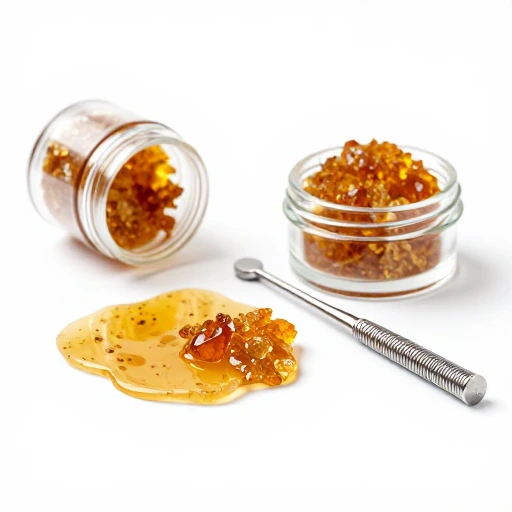
Wax is a broad retail term for concentrates with a soft, opaque, or crumbly texture. Badder and budder usually describe softer, whipped consistencies. These names are visual shorthand rather than regulated quality grades. One producer's badder may resemble another producer's wax.
When comparing products, look beyond texture. Check the cannabinoid content, serving guidance, ingredients, processor information, and expiration date. If the package includes a QR code, use it to open the Certificate of Analysis, commonly called a CoA. The CoA provides the laboratory results associated with that product batch.
Shatter
Shatter is usually thin, firm, and glasslike at room temperature. Its consistency makes it easy to distinguish from softer concentrates, but appearance alone does not establish purity or strength. Color can vary because of the source material and processing choices. A lighter color is not automatically better, and a darker product is not automatically defective.
Shatter can become sticky or brittle when its temperature changes. Keep it in the original package and follow the storage instructions on the label. Avoid leaving any cannabis product in a hot car or an unsecured place.
Rosin
Rosin is produced using pressure and heat rather than a chemical solvent. It may be made from flower, kief, or hash. Consumers sometimes treat the word solventless as a guarantee of quality, but it only describes part of the process. Freshness, source material, handling, and storage still matter.
Rosin can have textures ranging from saplike to creamy or crumbly. Read the complete label and CoA instead of choosing on process language alone. Our separate guide to live resin versus live rosin explains the two commonly confused live products in more detail.
Resin and live resin
Resin is an extract produced using a solvent-based process at a licensed facility. Live resin typically starts with cannabis that was frozen soon after harvest rather than dried and cured first. That choice is intended to preserve more of the plant's aromatic profile before processing.
The word live does not mean the product is safer, stronger, or fresher at the time of purchase. Check the package date, expiration date, storage instructions, cannabinoid content, and terpene information when available. Licensed products are also tested for regulated contaminants and residual solvents.
Sauce, diamonds, and crystalline products
Sauce usually describes a terpene-rich liquid that may contain cannabinoid crystals. Diamonds are crystalline structures, often rich in THCA, that may be packaged with sauce. These products can be highly concentrated. A dramatic appearance does not replace serving guidance or careful use.
Labels may list THCA and THC separately. Heat can convert THCA into THC, so shoppers should not compare one number from one product with a different number from another and assume they are equivalent. Ask a budtender to help interpret the complete cannabinoid panel.
Vape oils
Vape cartridges and disposable devices contain concentrates formulated for compatible hardware. The oil may be distillate, resin, live resin, rosin, or another regulated formulation. Hardware quality, ingredients, batch testing, and storage all affect the buying decision.
Purchase vape products only from a licensed retailer. Avoid devices with missing processor information, broken seals, unclear ingredients, or no accessible test results. Our licensed vape shopping guide explains how online reservation and in-store pickup work at Simply Green.
How to compare concentrate labels
Start with five checks:
- Product identity: Confirm the format, processor, and batch or lot information.
- Cannabinoid content: Compare the amount per serving and per package where listed, not a single headline percentage.
- Ingredients: Review everything added to the formulation, especially in vape products.
- Certificate of Analysis: Follow the QR code and match the batch information to the package.
- Dates and storage: Check the package and expiration dates, then follow the stated storage instructions.
New York's adult-use cannabis label guide explains the required information and universal symbol. The state's Know Your Concentrates brochure adds concentrate-specific purchasing and storage guidance.
Potency and responsible use
Concentrates can contain substantially more THC than flower. New York advises consumers to start with less than they think they need when trying a new product and to wait before consuming more. Individual response varies with the product, amount, tolerance, and other factors.
Never drive after consuming cannabis. Keep concentrates in their original child-resistant packaging, locked, out of sight, and away from children and pets. If someone accidentally consumes cannabis or feels unwell after using it, call the New York Poison Center at 1-800-222-1222. Call 911 for an emergency.
Questions to ask at the dispensary
- Which concentrate formats match the equipment I already have?
- What does this texture name mean for this specific producer?
- Where can I find the serving and storage instructions?
- How do I open and read the CoA for this batch?
- Is this product better suited to a new or experienced concentrate consumer?
A budtender can explain the package and product format, but cannot predict exactly how cannabis will affect you. If you take prescription medication or have a health condition, ask a qualified health care professional before consuming.
Shop licensed concentrates in Coram
Simply Green is a New York-licensed, family-owned dispensary at 406c Middle Country Road in Coram. Browse the current concentrate menu online, then reserve available products for in-store pickup. Inventory changes, so the live menu is the reliable place to see current formats, brands, and prices.
Bring a valid government-issued photo ID showing that you are 21 or older. If you are comparing your first concentrate, tell the budtender what formats you already understand and what equipment you have. A clear question usually produces a more useful answer than asking for the strongest item on the shelf.
Frequently asked questions
Is rosin the same as resin?
No. Rosin is made with heat and pressure, while resin is generally produced through a solvent-based extraction process at a licensed facility. Live versions also differ in how the plant material is handled after harvest.
Does a higher THC number mean a better concentrate?
No. Potency is one product characteristic. Format, serving size, ingredients, terpene profile, freshness, hardware compatibility, and personal tolerance also matter.
Are licensed New York concentrates lab tested?
Regulated products sold through licensed New York dispensaries are subject to state testing requirements. Use the package QR code to review the CoA and confirm that its batch information matches your product.
Can Simply Green ship concentrates?
No. Cannabis cannot be shipped through the mail or across state lines. Adults 21 and older can browse the menu and reserve available products for pickup at the Coram dispensary.