If you have ever browsed a dispensary menu, you have seen the words indica, sativa, and hybrid. These terms have guided cannabis culture for decades, but modern science tells us they are only part of the picture. At Simply Green Dispensary, we want Suffolk County consumers to understand what these labels mean, where they fall short, and how to choose a product based on real chemistry rather than folklore.
The Traditional Framework
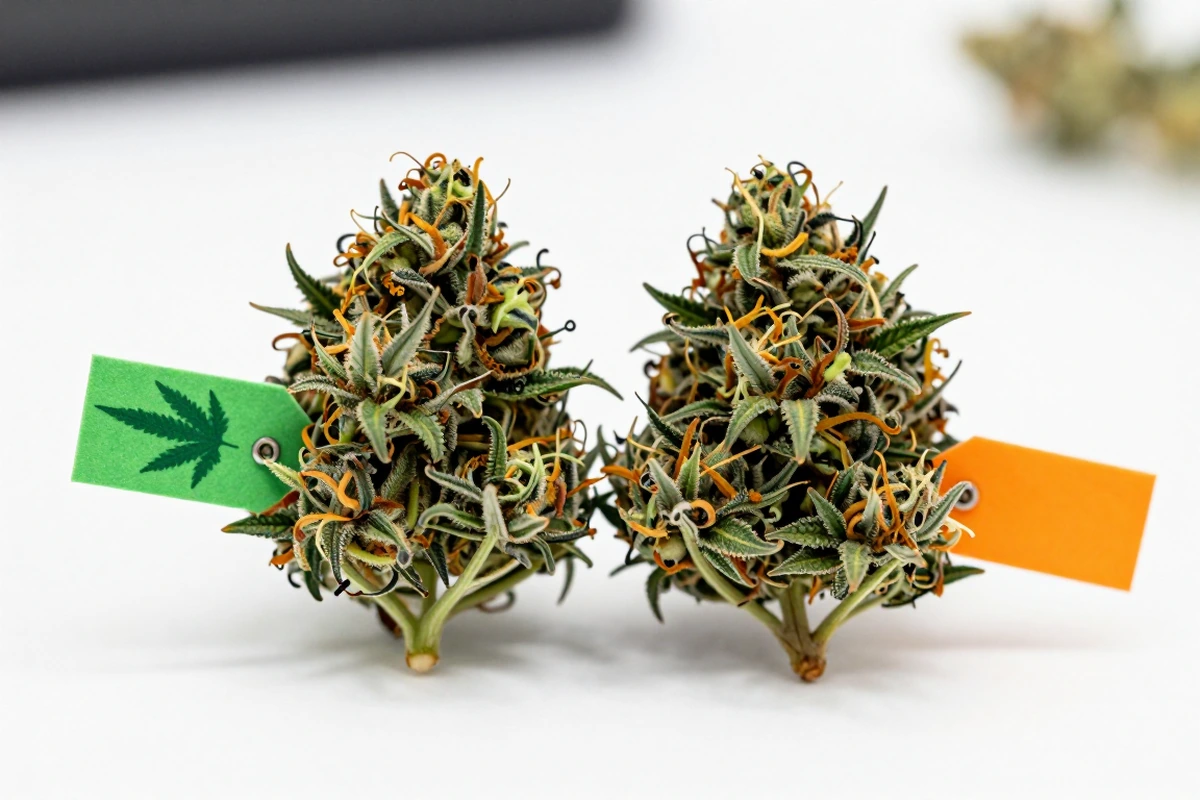
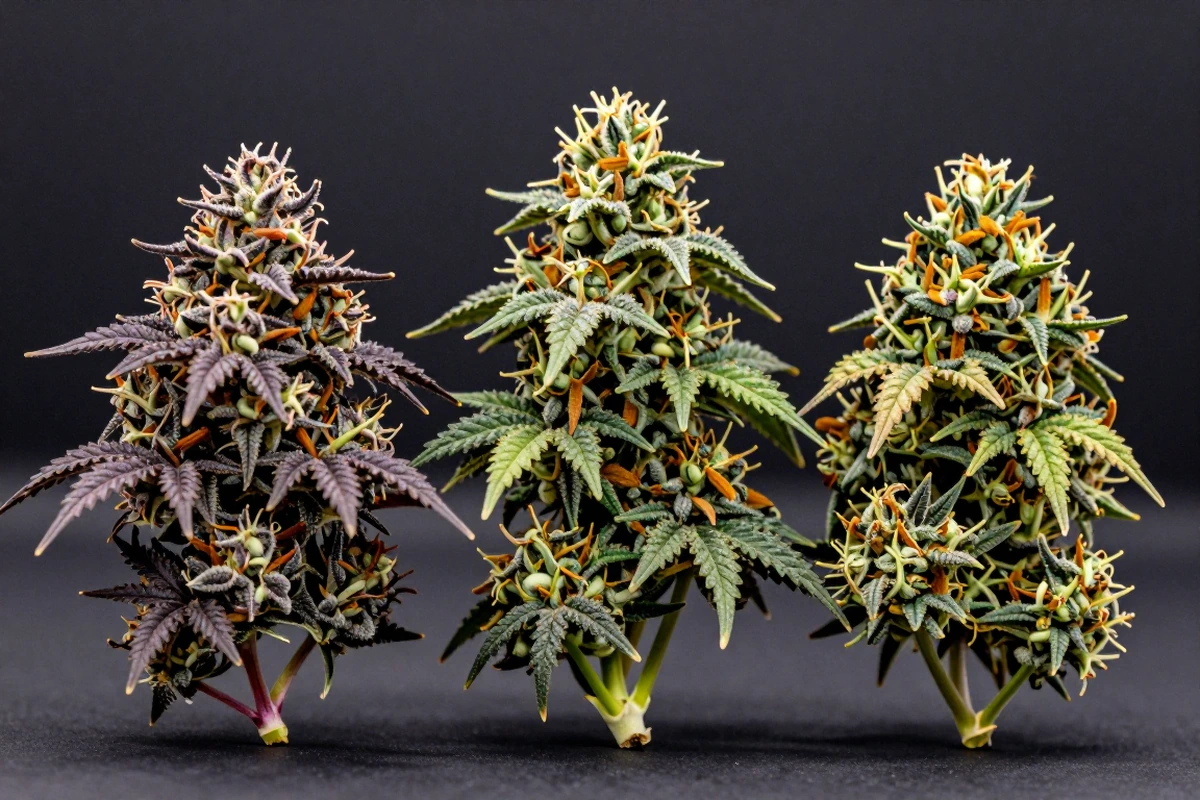
Indica plants are typically short, bushy, and broad-leafed. They have long been associated with full-body relaxation, sedation, and evening use. Sativa plants grow taller with narrow leaves and are linked to uplifting, energetic, cerebral effects. Hybrids are bred from both lineages and are said to offer a balanced experience.
Why Terpenes Matter More
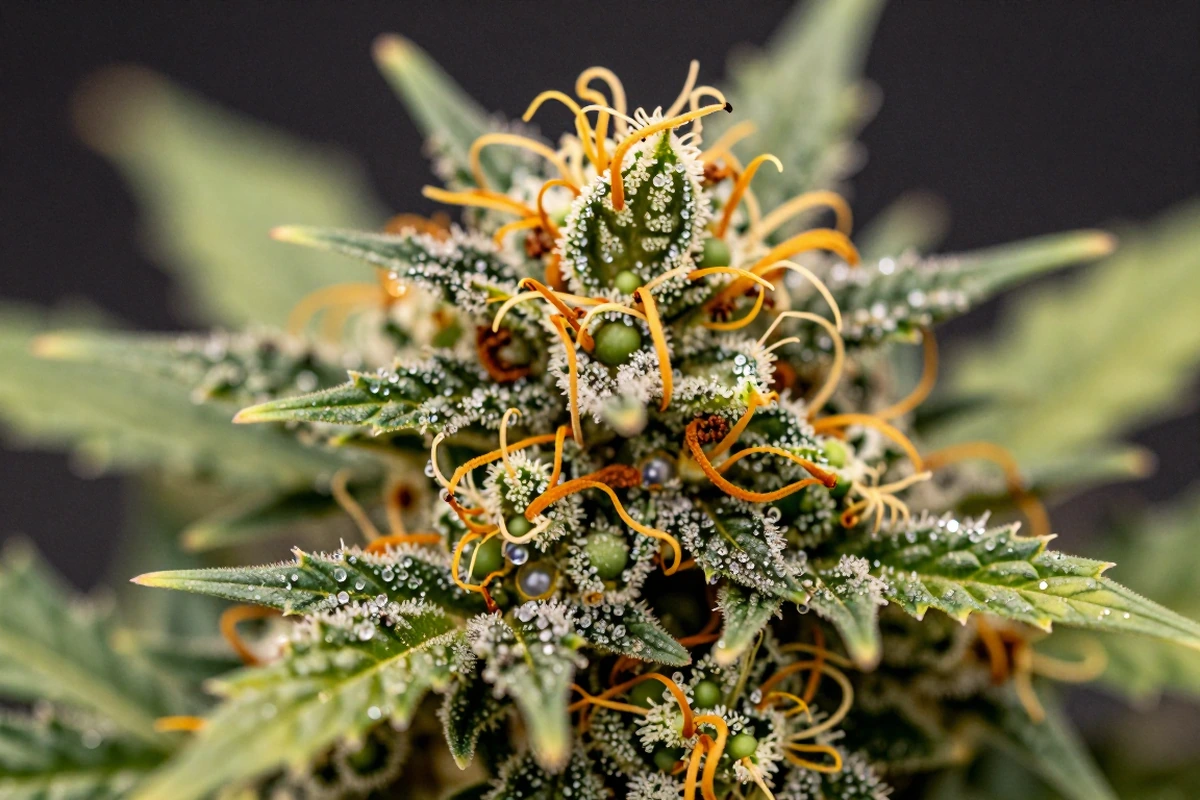
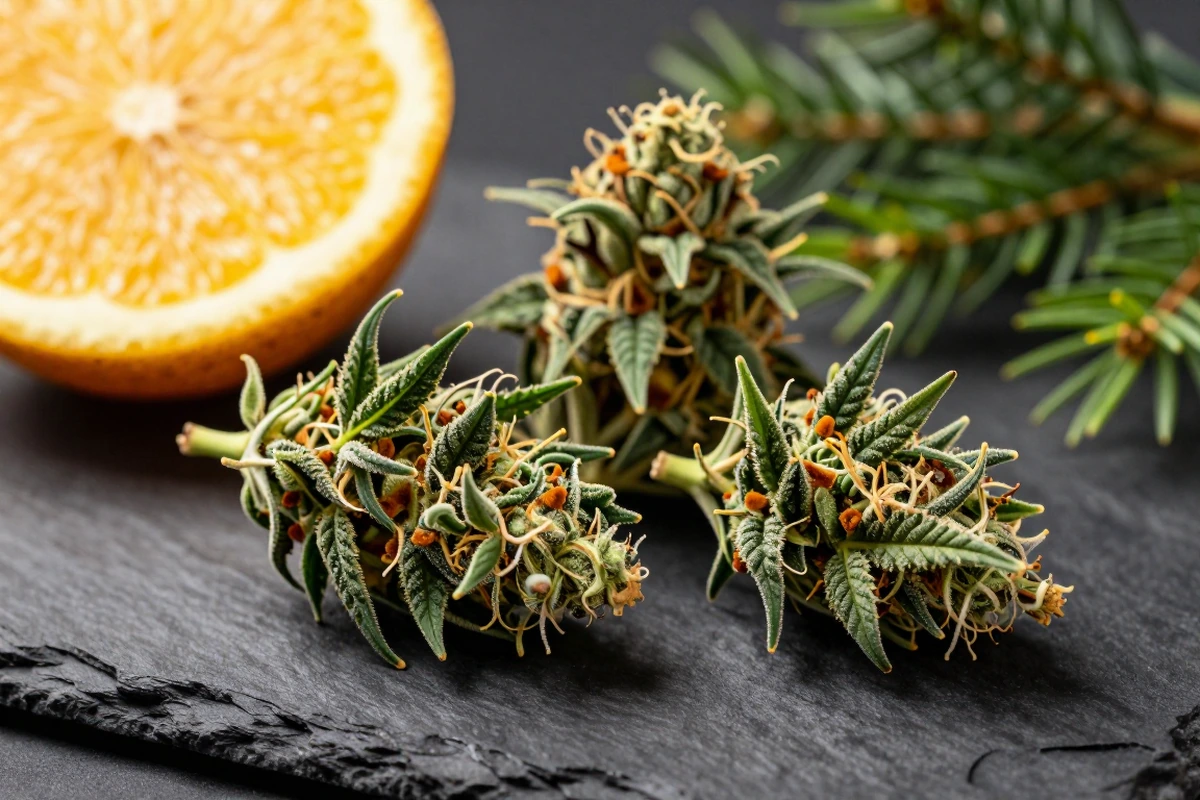
Terpenes are aromatic compounds found in cannabis, citrus, pine, lavender, and countless other plants. They influence flavor, smell, and effect. For example, myrcene is associated with relaxation, limonene with mood elevation, and pinene with alertness. Two strains labeled sativa could feel very different depending on their terpene profiles.
Choosing for Your Goals
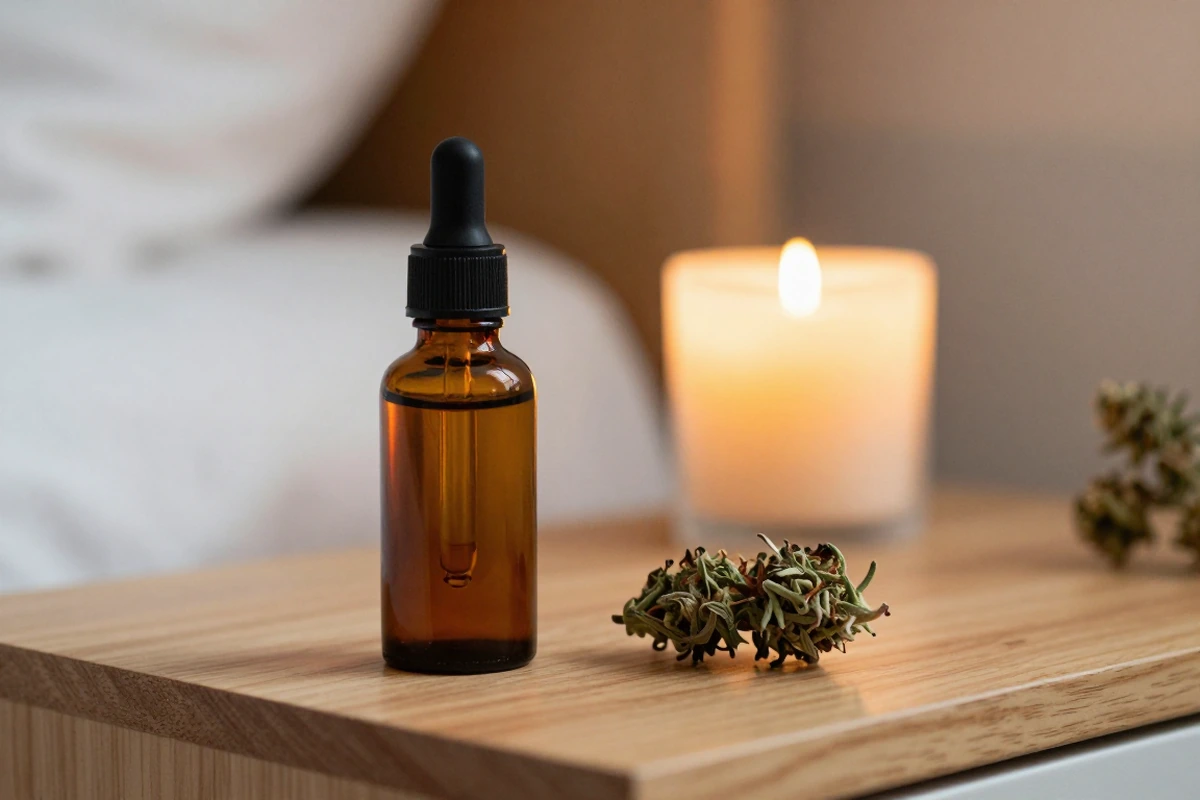
- Evening wind-down: Look for strains high in myrcene, caryophyllene, and CBN. Effects tend to be physically relaxing.
- Daytime productivity: Consider cultivars with limonene, pinene, and moderate THC. These may support focus and creativity.
- Social settings: Balanced hybrids with a mix of terpenes can offer gentle euphoria without heavy sedation.
- Stress relief: CBD-forward products or strains with linalool and caryophyllene are popular choices.
Common Myths to Leave Behind
One common myth is that indica always puts you to sleep and sativa always energizes you. In reality, individual biology, dose, tolerance, and product quality play larger roles. Another myth is that THC percentage is the only measure of quality. A well-grown 18 percent THC flower with a rich terpene profile can deliver a more satisfying experience than a dry, poorly cured 30 percent strain.